

Attorney Business Cards Rules and Requirements
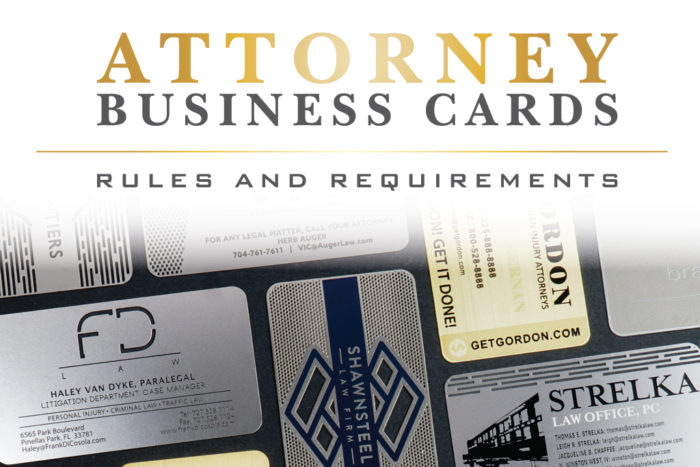
Business cards are still a key asset for attorneys. They need to be punchy; they need to impress; they need to stand out from the competition. The humble business card is considered a powerful tool for networking, for exchanging contacts and portrays professionalism.
But there is a code of conduct in the legal profession and breaching them could result in ethical implications. So, what are the attorney business cards rules?
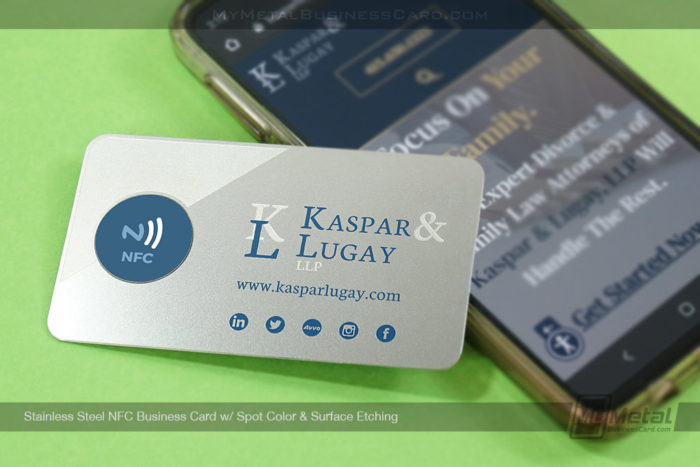
Business Card Requirements For Attorneys At Law
The first thing to note is that every state in the US has a code of conduct that applies to various forms of communication, like business cards.

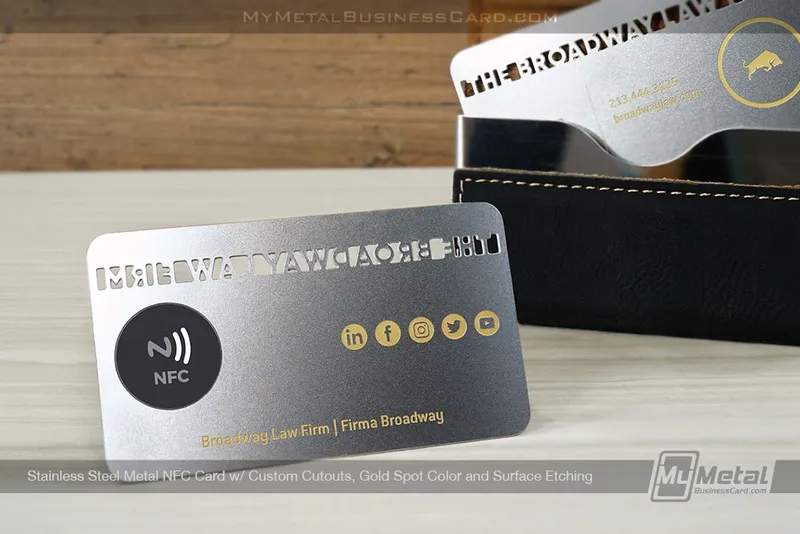
Therefore, when designing a stand out business card for attorneys (see our previous article for attorney business card examples), the attorney business card rules and guidelines below should be followed to make sure any ethics rules are avoided and there is no risk of misrepresenting clients.
- Avoid misleading or false information about your services, your qualifications, certifications and your experience. For example, most states in the US have rules about using the terms ‘expert’ and ‘specialist’; if you are certified in a particular field, you can add these terms but if not, don’t use them.
- Make sure your name and of your law firm are represented truthfully and are not misleading. For example, avoid using ‘& Co’ or ‘& Associates’ if there isn’t another practicing attorney working with you. This is considered a violation of ethical practice. A good rule of thumb is to use the same name you put down for licensure, although some states will accept a different first name, such as a shortened or nickname, but only if it is not misleading as to who you are.
- If you’ve only got a virtual office, make sure your business card is clear and doesn’t mislead your clients into thinking you have a physical office. A good tip is to add ‘office available for appointments only’.
- Declare your jurisdiction and by that we mean if the firm you work for is in a state where you personally are not licensed to practice, you’ve got to declare that on your business card and add where you are licensed.
- You must be able to back up any statements you make on your business card. For example, if you’re stating you are the ‘best attorney in New York’, it would be considered misleading and against ethics rules. Instead, invest in a high quality business cards that instantly impress your recipients, convey your level of service and make a lasting impression they remember for years.
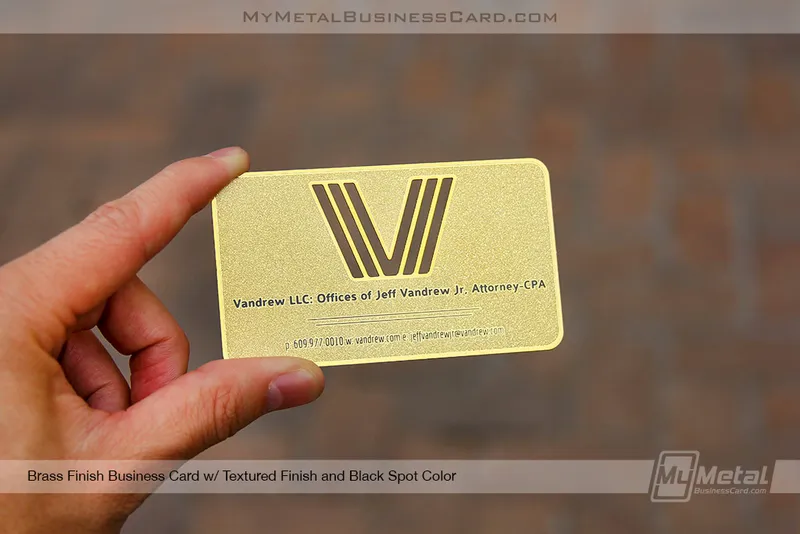
Can Attorneys Hand Out Business Cards?
Yes, attorneys and lawyers can hand out business cards. Handing out business cards is not soliciting:
“An attorney’s delivery of his business card to anyone who might become a potential client is a ‘communication’ under rule 1-400 (A) of the Rules of Professional Conduct. As such, it is subject to the applicable prohibitions on false, misleading, and deceptive messages. The content of the business card must satisfy these rules. However, the “communication” is not a ‘solicitation’ under rule 1-400 (B) because a significant motive for making the ‘communication’ is not pecuniary gain.” (San Diego County Bar Association)
Thus, always keep a stock of business cards handy wherever you go. A lawyer may initiate the routine mutual exchange of business cards with prospective clients – having a conversation and passing the card is not soliciting.

——–
Practicality, simplicity and trustworthiness are the mantras when it comes to business cards for attorneys. Check out our wide range of metal business cards or call our friendly team on 714.213.8155 for free consultation.

Stainless Steel Metal Cards Starter Pack – currently $199 (Save 38%)

Black Metal Executive Pack – Currently $399 (Save 30%)