

Trade Show Business Cards: How to Stand Out Before, During, and After the Event
Trade shows move quickly.
One minute, you are introducing yourself to a promising new contact. The next, they are heading toward another booth with a tote bag full of brochures, samples, pens, and business cards.
The question is not simply whether you handed them something.
It is whether they will remember who handed it to them.
The best trade show business cards do more than display your contact information. They create a moment, make follow-up easier, and reinforce the quality of your brand long after the exhibit hall closes.
From premium metal business cards and NFC- or QR-enabled cards to VIP passes, bottle opener cards, and branded giveaways, here is how to choose trade show materials that help you stand out before, during, and after the event.
What Makes a Good Trade Show Business Card?
A good trade show business card should accomplish three things:
- Get attention
- Make your information easy to save
- Give the recipient a reason to remember you
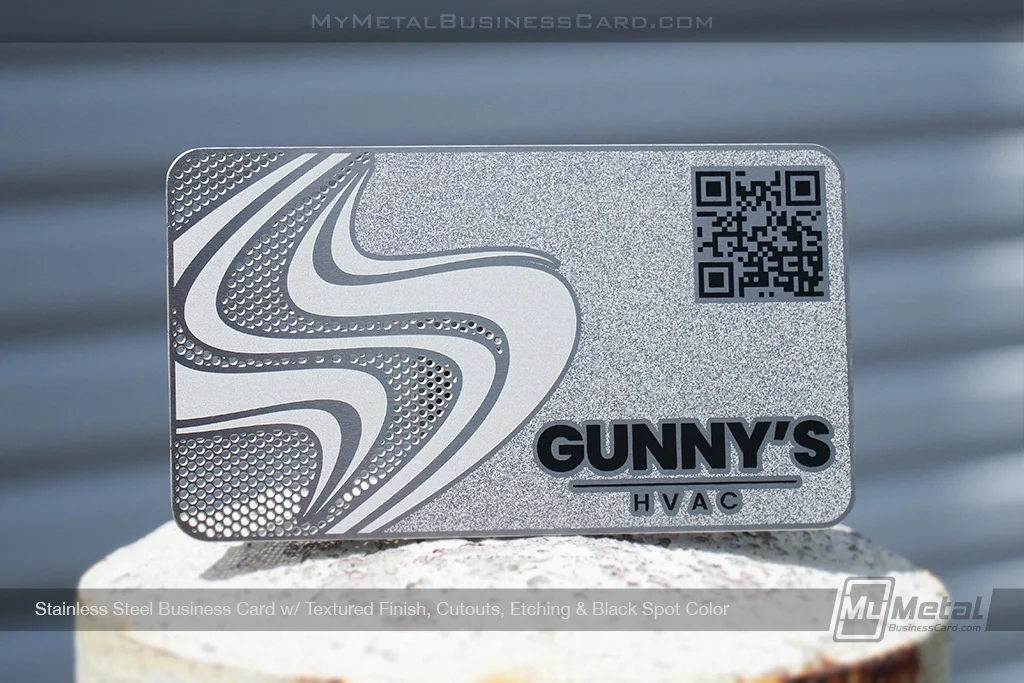
A standard paper card can provide a name and phone number. A thoughtfully designed metal card can do considerably more.
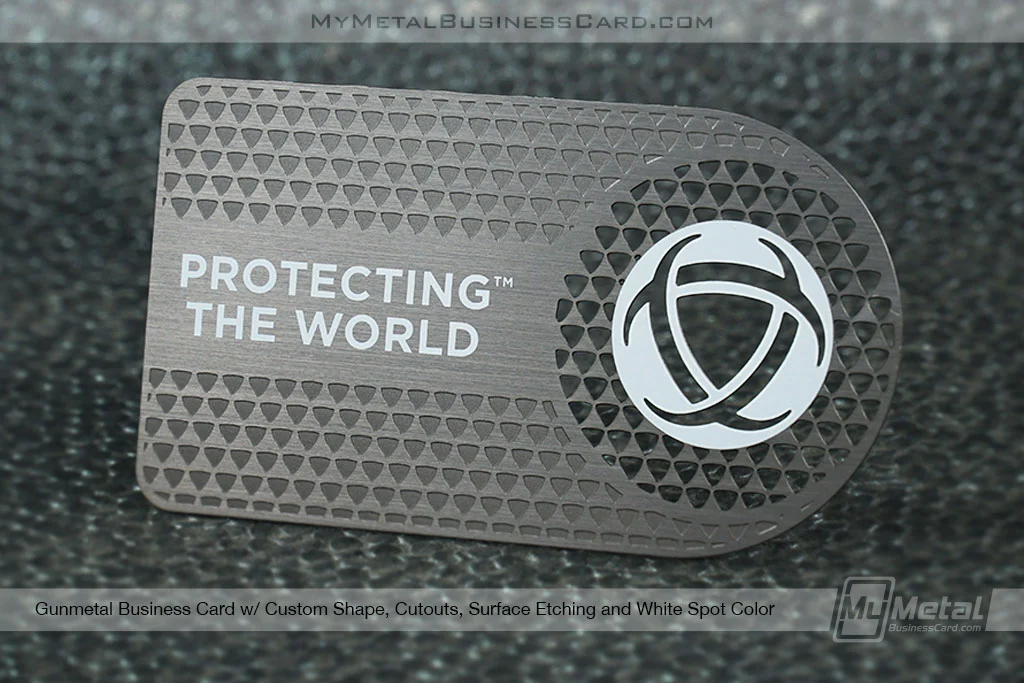
The weight, texture, finish, shape, and sound of a metal card immediately separate it from the stack. When it hits the table, it creates a small but memorable moment. It tells the recipient that you care about your presentation and pay attention to details.
At a trade show, where dozens of businesses may be competing for the same person’s attention, that distinction matters.
Before the Trade Show: Design for the Conversation You Want
The best trade show strategy begins well before you arrive at the venue.
Your card should not be treated as an isolated piece of collateral. It should support your event goals, fit the audience you want to attract, and feel consistent with everything else people see from your brand.
Start With a Clear Purpose
Before selecting a card style, decide what you want recipients to do next.
Should they:
- Save your contact information?
- Visit a trade show landing page?
- Book a consultation?
- View a product demonstration?
- Connect with you on LinkedIn?
- Claim a show-exclusive offer?
- Enter a giveaway?
That decision should guide your card’s design and technology.
A card designed for high-volume networking may need an easy QR code and a simple contact-sharing experience. A card intended for a select group of buyers may call for a more exclusive finish, personalized details, or a VIP-style presentation.
Keep the Design Focused
Trade show cards do not need to explain your entire business.
They need to make the next step obvious.
Prioritize your name, company, role, logo, primary contact method, and one clear call to action. Use the remaining design space intentionally rather than filling every corner with small text.
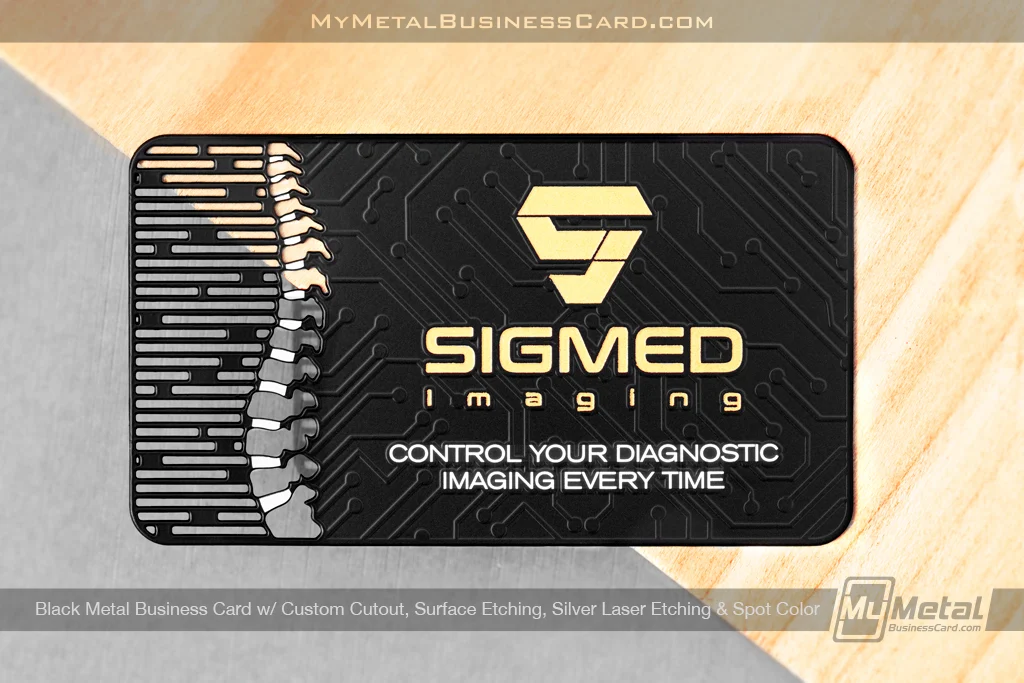
A bold cutout, brushed finish, contrasting color, etched detail, or distinctive shape can communicate more than another paragraph of copy ever could.
Coordinate Your Entire Booth Experience
Your business card is one piece of the impression. Your booth, signage, uniforms, displays, and flooring should support the same visual story.
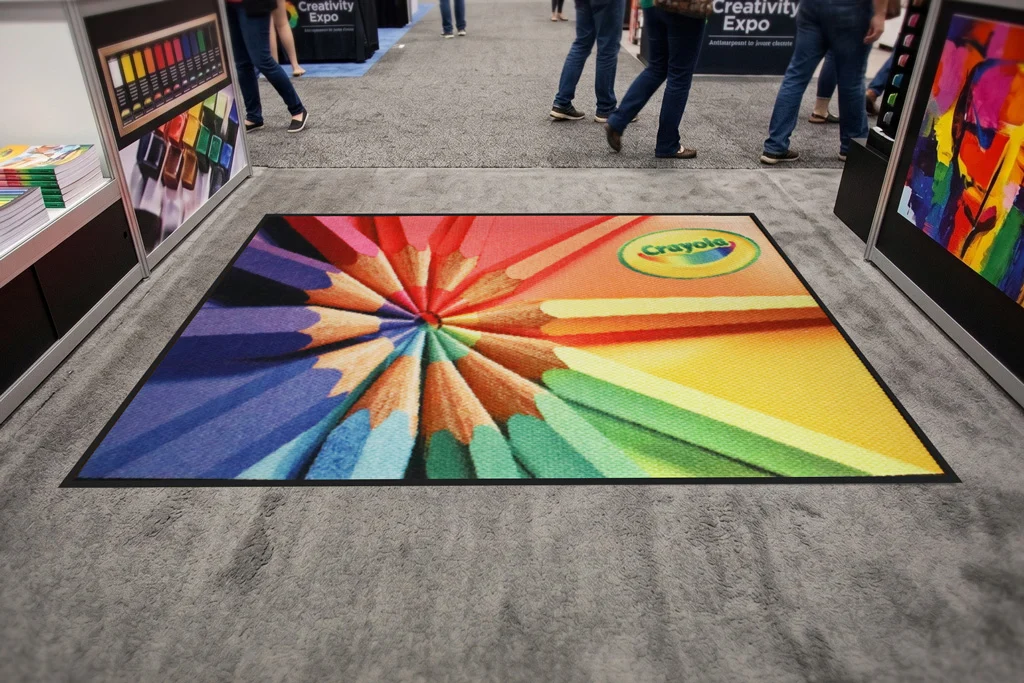
A custom logo mat can give your booth a more finished appearance, define the space, and put your brand in view from the moment an attendee approaches. For ideas on selecting the right material and style, explore our guide to the best logo mats for trade shows, events, and convention centers.[AP1]
When your booth and your handouts feel connected, your brand appears more polished, deliberate, and prepared.
During the Trade Show: Choose a Card People Want to Keep
The exhibit floor is where presentation meets reality.
People are moving, talking, scanning badges, carrying drinks, and deciding within seconds which booths deserve more of their time. Your card needs to work in that environment.
Here are several trade show business card ideas that go beyond the expected.
1. Premium Metal Business Cards
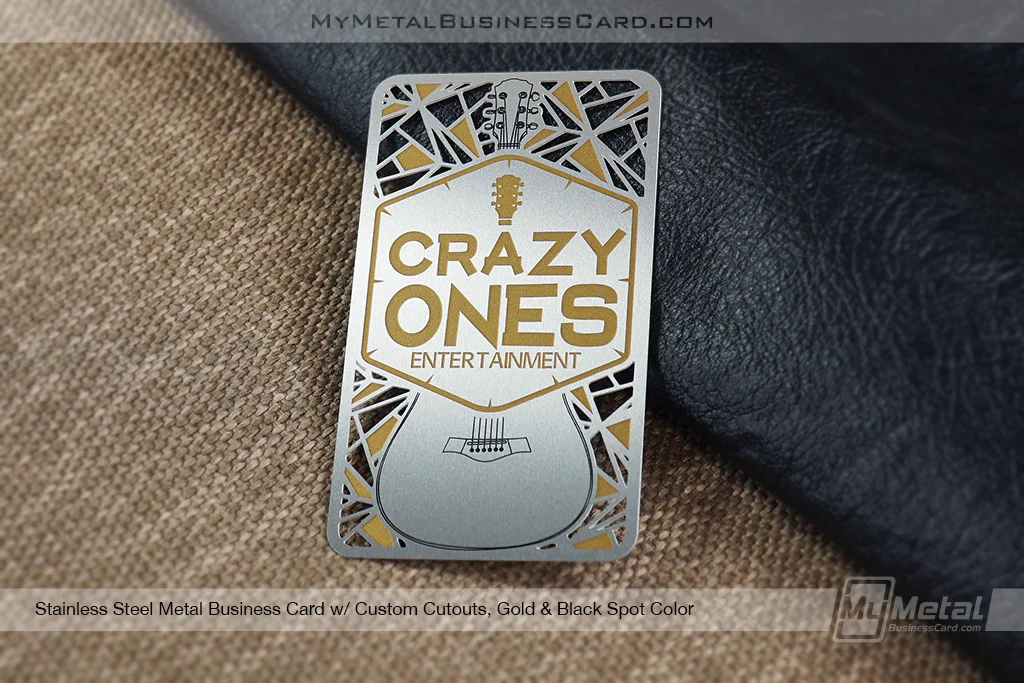
A well-designed metal card remains one of the strongest options for making a high-value introduction.
It has immediate presence. It feels substantial in the hand, stands apart visually, and is far less likely to be mistaken for a disposable flyer.
Metal business cards work especially well for:
- Founders and executives
- Sales professionals
- Real estate and financial professionals
- Automotive businesses
- Luxury brands
- Creative agencies
- Contractors and skilled trades
- Technology companies
- Hospitality and event professionals
They are also ideal when your team will be meeting a smaller number of highly qualified prospects rather than distributing thousands of pieces indiscriminately.
The goal is not to hand a premium card to everyone walking past your booth. It is to use it at the right moment, after a real conversation, when you want the introduction to carry more weight.
2. NFC and QR Code Business Cards
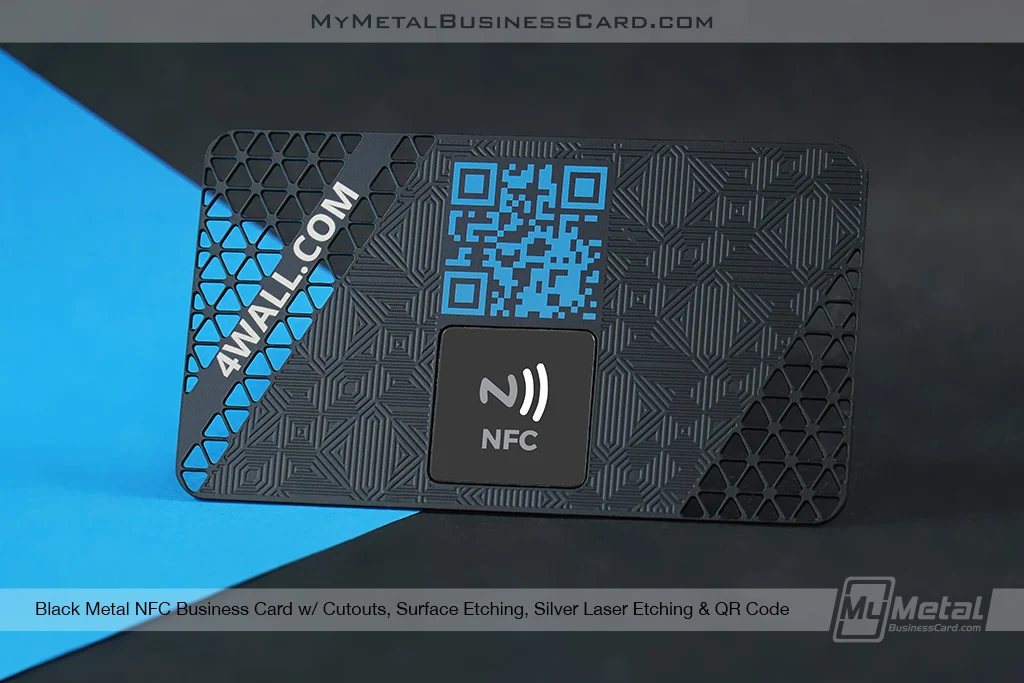
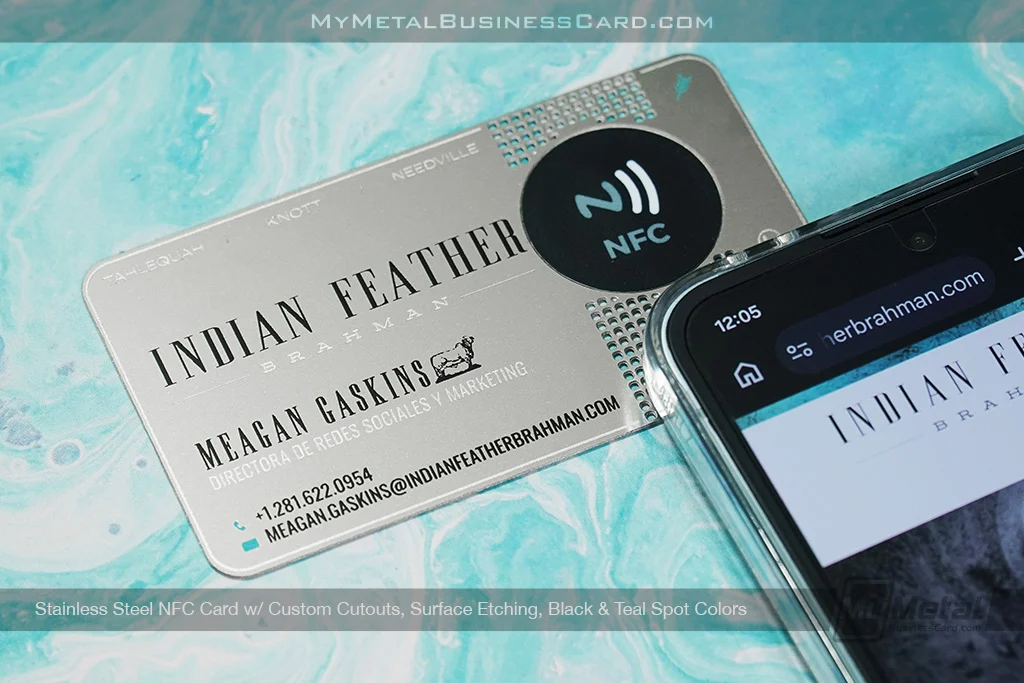
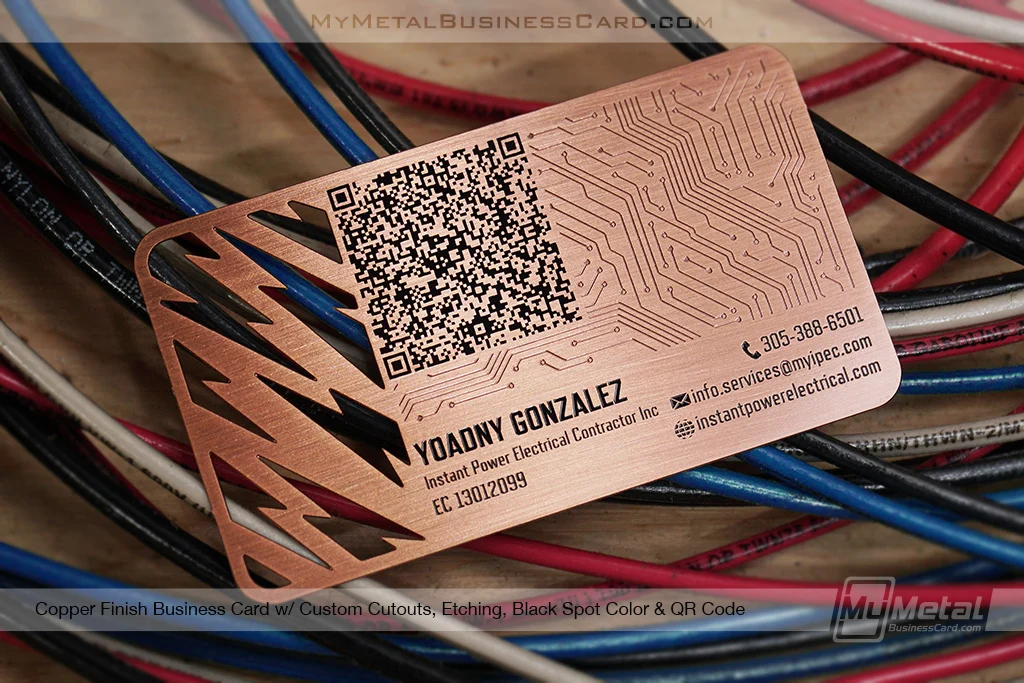
NFC and QR code business cards serve a similar purpose: they connect a physical introduction to an easy digital next step.
An NFC-enabled card lets the recipient tap the card with a compatible smartphone. A QR code allows them to scan the card with their phone’s camera. Either option can lead to a digital destination such as:
- A digital contact card
- Your website
- A meeting scheduler
- A product page
- A portfolio
- A LinkedIn profile
- A trade show offer
- A custom event landing page
These features combine the physical impact of a premium card with the convenience of instant digital access.
For trade shows, consider directing the NFC tap or QR scan to an event-specific page rather than your general homepage. A focused landing page can include your contact details, featured products, downloadable resources, meeting links, and a clear follow-up action.
You can also use NFC and QR technology together. Some recipients may prefer tapping, while others will naturally reach for their camera. Giving them both options makes the card easier to use without changing its primary purpose.
Whatever method you choose, include a concise call to action such as:
- Save my contact
- Book a meeting
- View our show offer
- See the full collection
- Watch the demo
- Connect with our team
Before ordering, test every link, QR code, and NFC destination. Confirm that the QR code scans reliably at its intended size and that the linked page works well on mobile devices.
It is also wise to use a destination you control and can update. Trade show offers, team members, and landing pages may change. The usefulness of the card should not have to end when the event does.
If we create and host the link or digital contact card for you, the destination does not have to stay frozen in time. You can log in through the My Account section of the site and update the information it connects to whenever needed.
That means you can change a phone number, job title, website, offer, meeting link, or other details without ordering an entirely new set of cards. The physical card stays the same while the information behind it evolves with your business.
3. VIP Passes and Premium Event Credentials
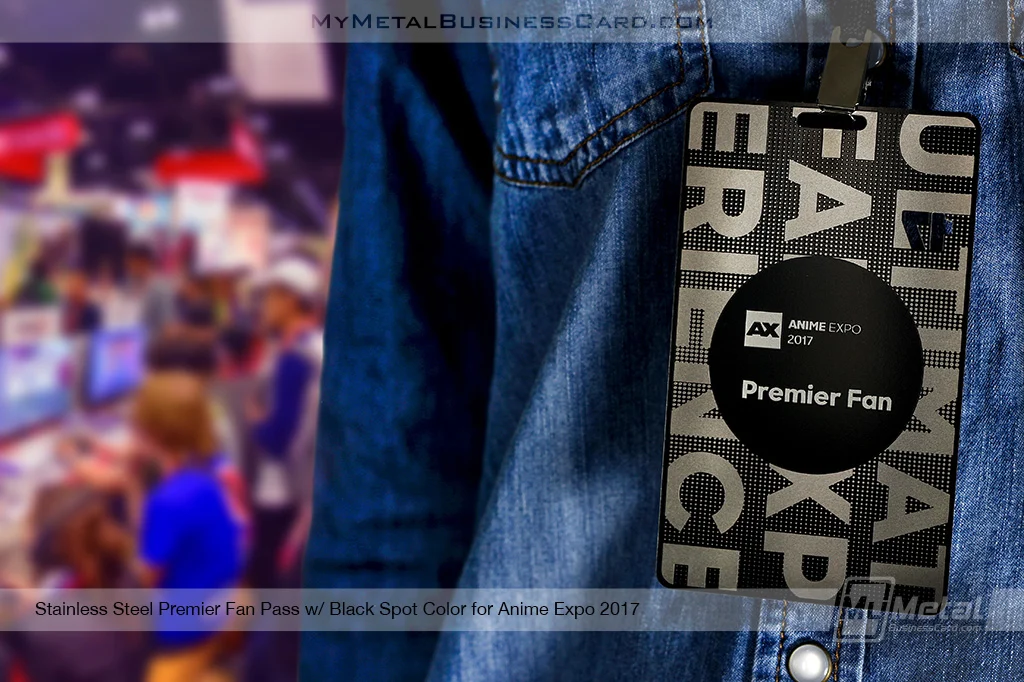
Not every trade show interaction needs to begin with a conventional business card.
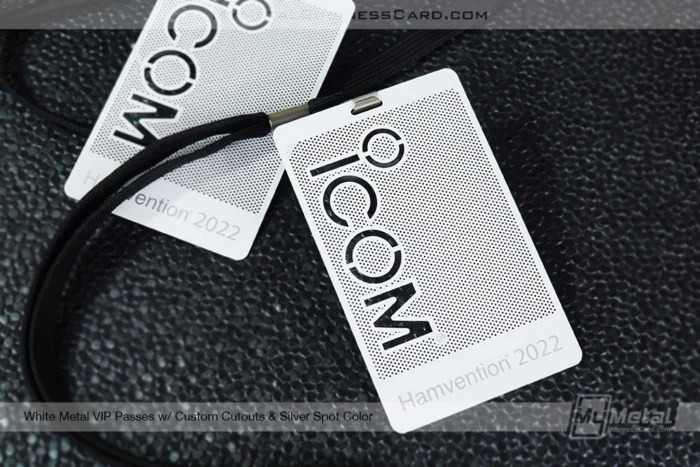
Custom metal VIP passes can elevate private dinners, product launches, hospitality suites, executive meetings, dealer events, and invitation-only experiences surrounding a larger trade show.
They can be designed as:
- VIP access cards
- Speaker credentials
- Exhibitor passes
- Founder’s club invitations
- Private event tickets
- Product launch invitations
- Customer appreciation passes
- Premium name badges
A metal pass makes the invitation feel intentional before the guest arrives. It can also become a keepsake after the event, extending the life of the experience and reinforcing the exclusivity of the occasion.
For added functionality, incorporate a QR code linking to event details, check-in information, schedules, maps, or private content.
4. Metal Bottle Opener Business Cards
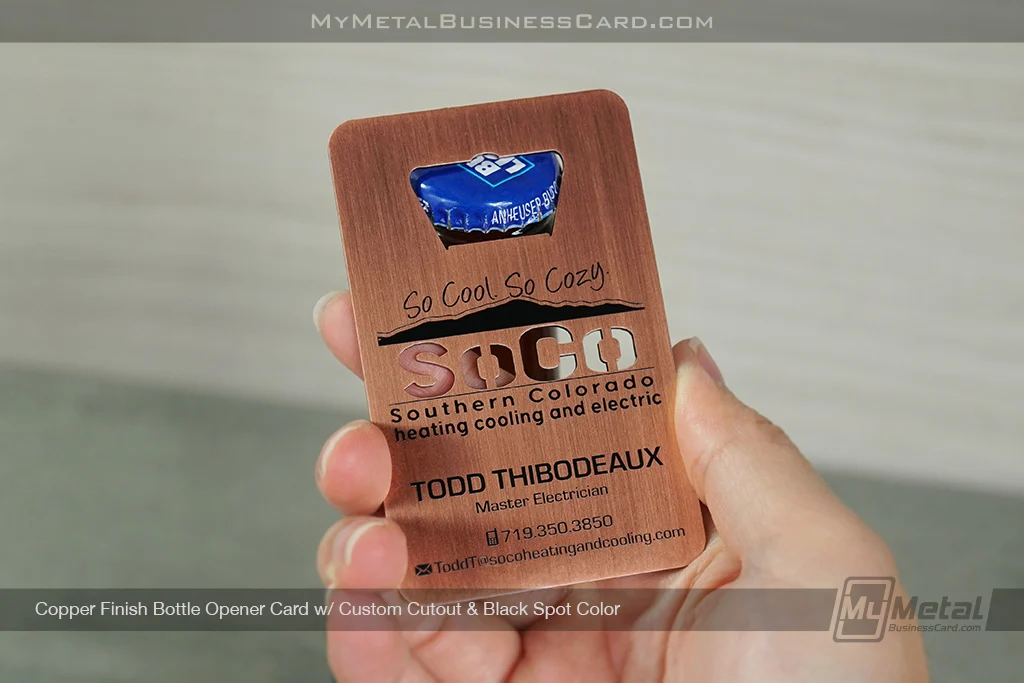
A bottle opener card gives your contact a piece of practical life after the trade show.
It can still feature your logo, contact details, QR code, or core message, but it also serves a purpose people understand immediately. Instead of being filed away, it may stay in a wallet, desk drawer, kitchen, travel bag, or office breakroom.
Bottle opener cards are particularly well suited to:
- Breweries and beverage brands
- Restaurants and hospitality groups
- Distributors
- Event companies
- Outdoor brands
- Automotive businesses
- Contractors
- Lifestyle brands
- Client appreciation programs
They work because the utility feels connected to the experience. A useful card earns more opportunities to be seen, shared, and remembered.
Keep the branding clean and confident. The product itself is already interesting; the design does not need to shout.
Should You Give Everyone the Same Trade Show Card?
Not necessarily.
One of the smartest approaches is to create a tiered distribution strategy.
High-Volume Cards
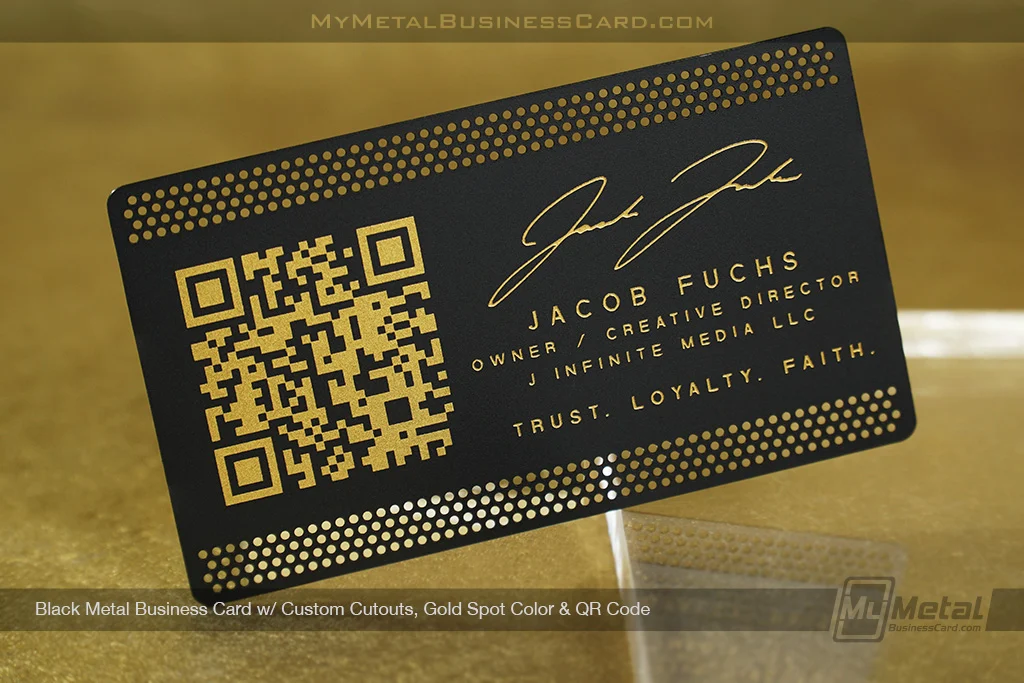
Use a streamlined but distinctive card for general booth traffic, quick introductions, and broader networking.
Include an NFC chip or QR code leading to your event landing page, show promotion, or digital contact information.
Premium Cards
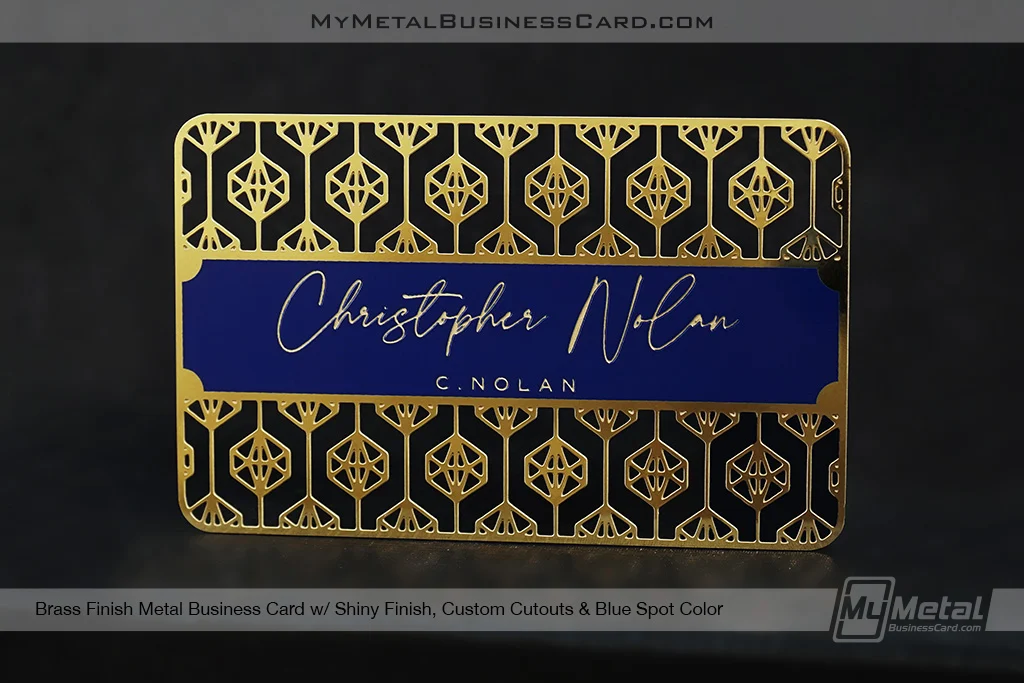
Reserve a more detailed or elevated metal card for qualified prospects, key partners, media contacts, speakers, and conversations with strong follow-up potential.
These cards might feature:
- Personalized names and titles
- Premium finishes
- Custom cutouts
- NFC or QR technology
- Unique colors
- A more substantial design
VIP Pieces
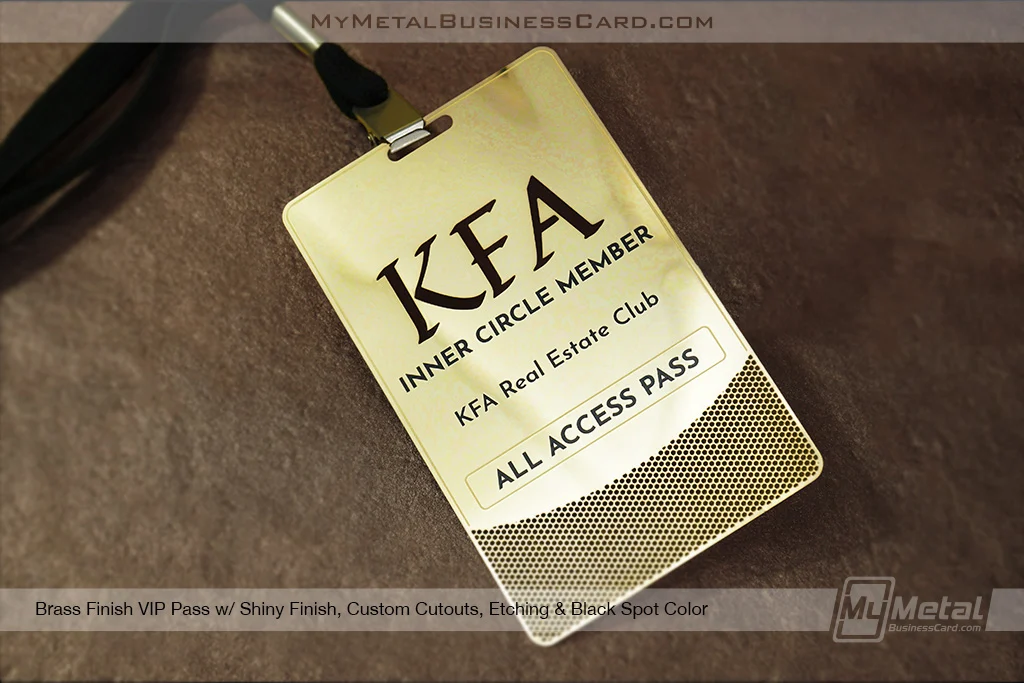
Use custom passes, invitations, or limited-edition cards for private events, top customers, and high-value meetings.
This approach lets you control costs while making each interaction feel appropriate to its value.
Branded Giveaways That Complement Your Business Cards
A giveaway should support your brand, not become another object attendees have to carry.
The strongest promotional products are useful, visually appealing, relevant to the audience, and connected to a clear business goal.
Tumblers and Drinkware
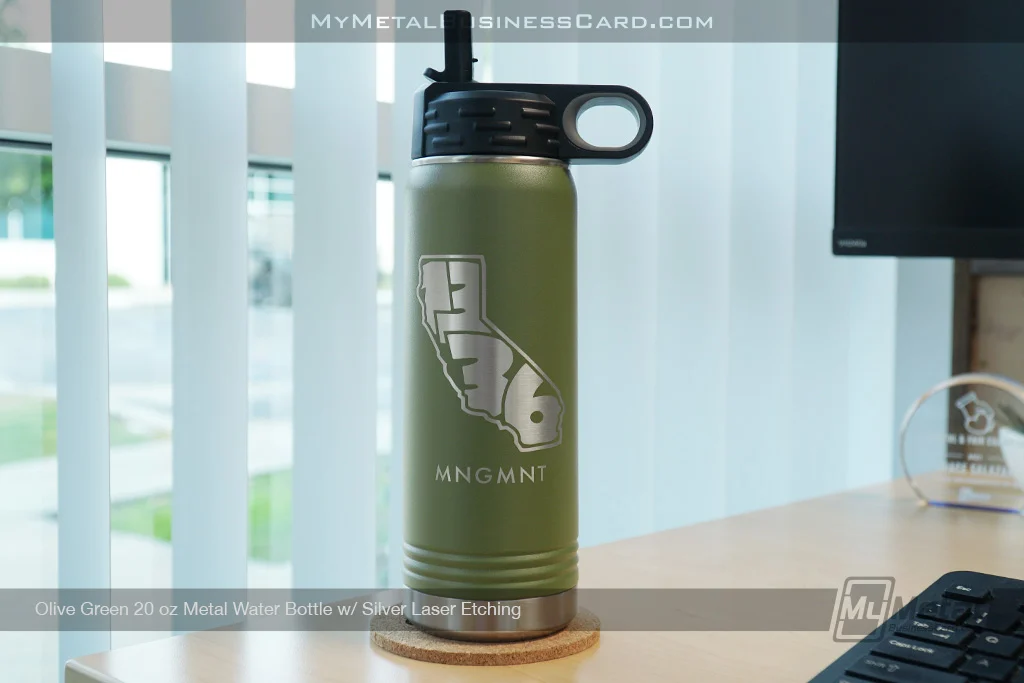
A quality branded tumbler can have a much longer life than a disposable handout. It works particularly well as a prize, meeting incentive, VIP gift, or thank-you for completing a booth demonstration.
Instead of placing hundreds on a table, use a smaller number strategically. Quality tends to make a stronger impression than volume.
Desk Accessories and Everyday Promo Items
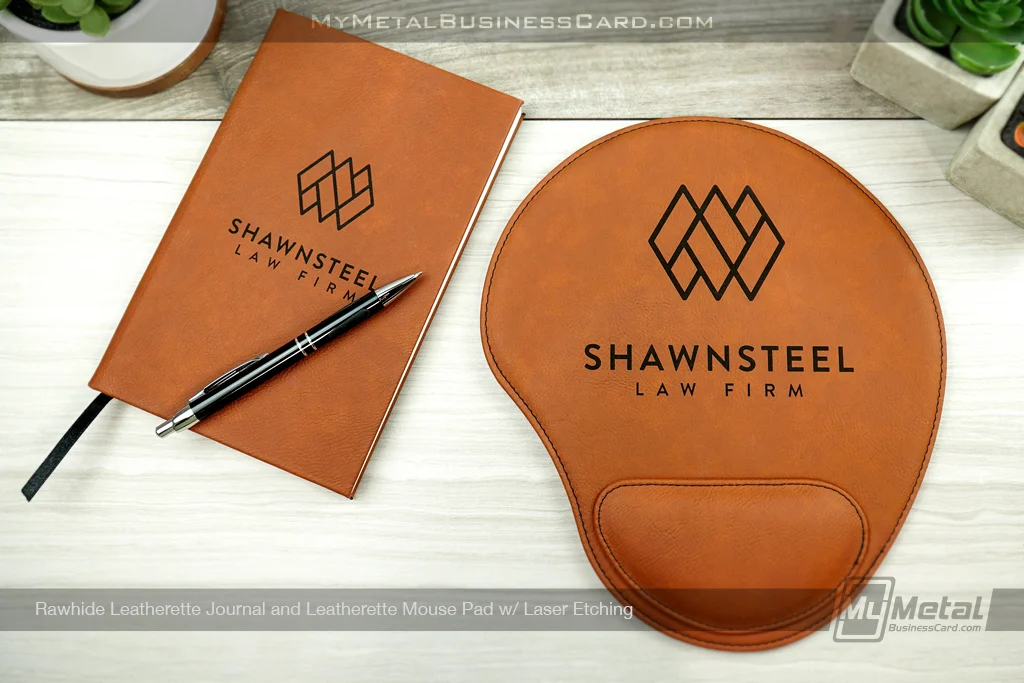
Useful desk accessories can keep your brand visible long after attendees return to the office.
Branded coasters, mouse pads, pens (and more) are practical, easy to incorporate into a trade show giveaway strategy, and relevant to a wide range of industries. They can be distributed individually, included in VIP gift packages, or paired with a premium business card or tumbler.
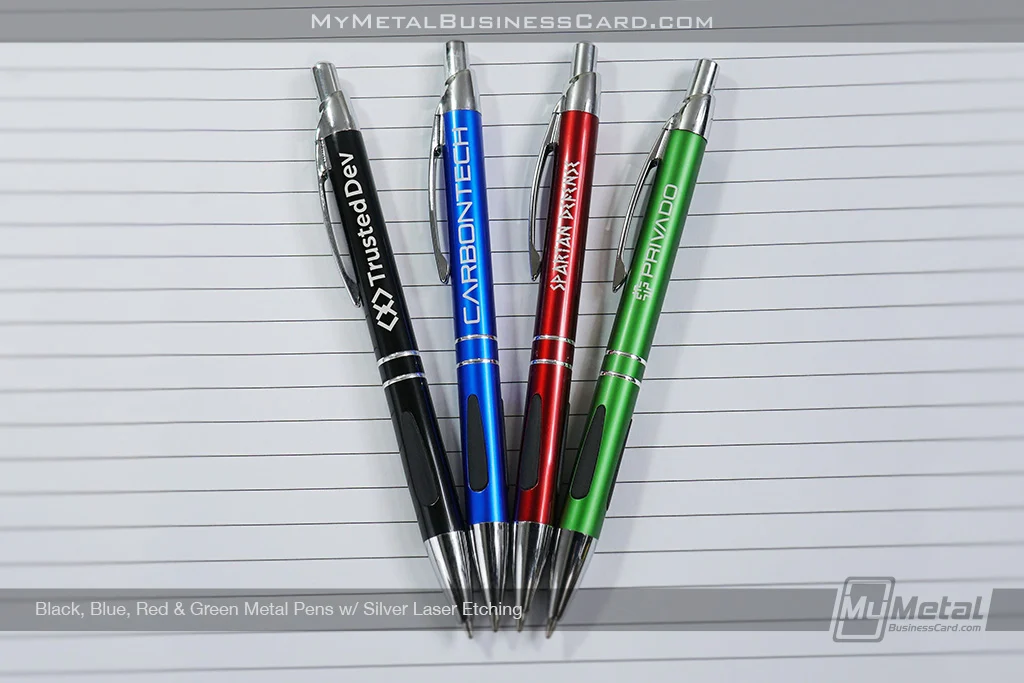
As with any promotional product, quality matters. A smooth-writing pen, well-designed mouse pad, or durable coaster is more likely to earn a permanent place on someone’s desk and keep your brand in view.
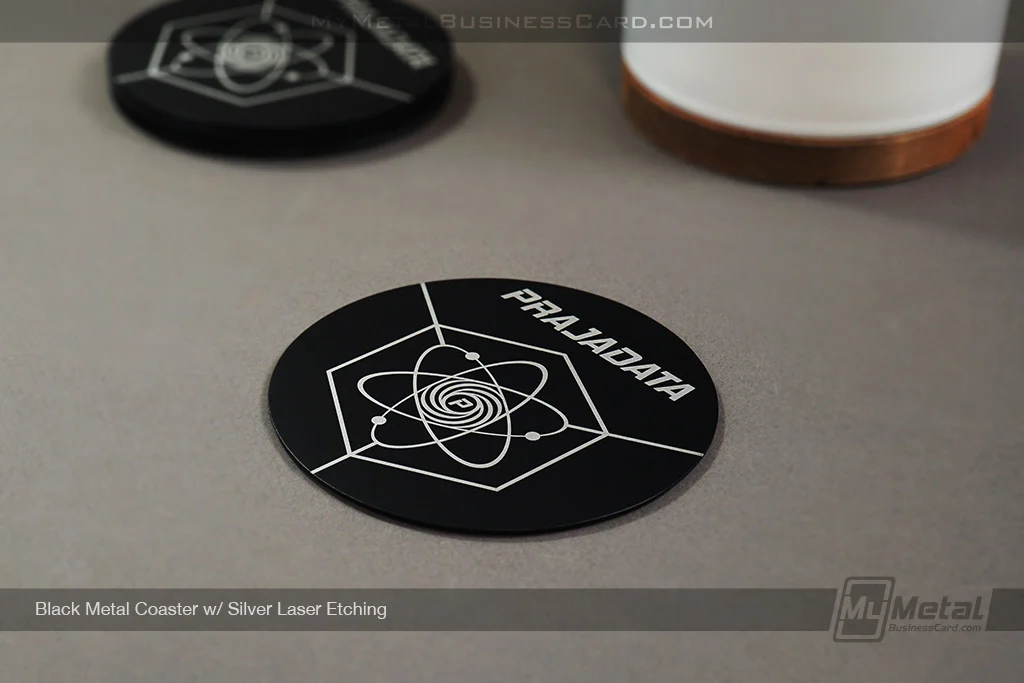
Keep the design polished and uncluttered. A strong logo, thoughtful color choice, and useful construction will usually make a better impression than an oversized sales message.
Limited-Edition Event Items
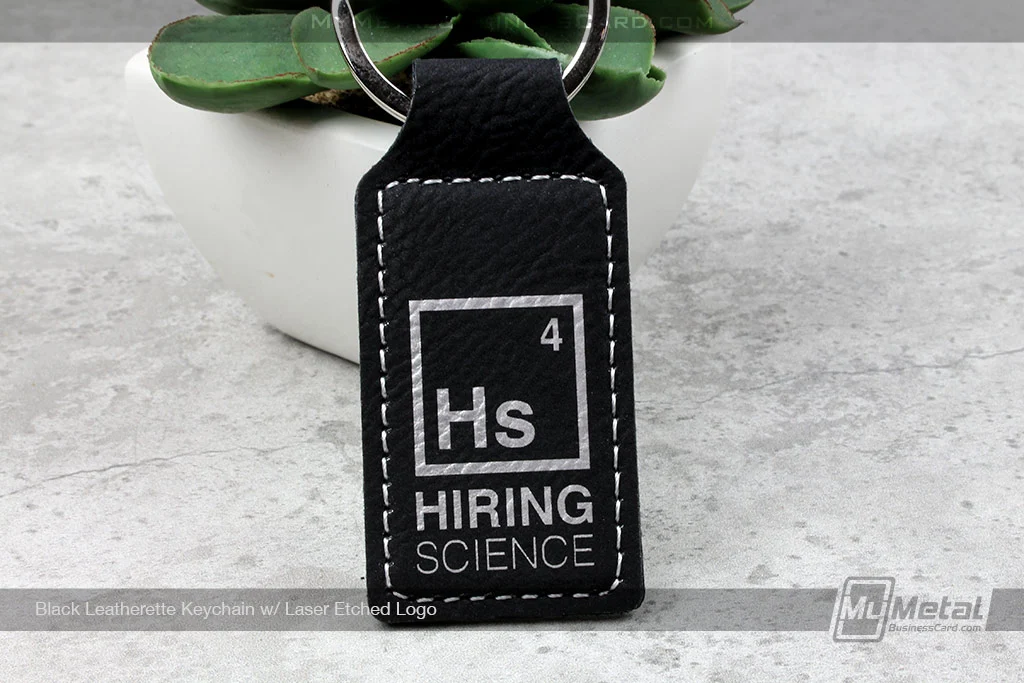
An item created specifically for the show can feel more collectible than a generic promotional product.
Use the event name, location, year, campaign theme, or a subtle industry reference to make it feel like something attendees could only receive there.
Whatever you choose, avoid giving something away simply because it can carry a logo. The item should be useful enough to keep and good enough to represent your brand.
After the Trade Show: Turn a Memorable Card into a Real Connection
A remarkable card can open the door. Thoughtful follow-up is what moves the relationship forward.
Follow Up While the Conversation Is Still Fresh
Organize your contacts by priority and send personalized follow-ups promptly after the event.
Reference something specific from the conversation:
- A challenge they mentioned
- A product they asked about
- A shared connection
- A demonstration they attended
- A resource you promised to send
- An upcoming project or deadline
Avoid opening with a generic message that could have been sent to everyone at the show. The same attention to detail that went into your card should carry into the follow-up.
Make the Next Step Easy
Do not make the recipient search for what to do next.
Include one clear action, such as:
- Schedule a call
- Request a quote
- View a sample
- Download a guide
- Review a product
- Introduce another team member
- Visit a dedicated landing page
The simpler the next step feels, the more likely the conversation is to continue.
Reuse Your Event Landing Page
Your NFC or QR destination can remain useful after the show.
Update the page with post-event resources, frequently asked questions, a recap video, meeting links, or an extended offer. This gives recipients a reason to return and allows one physical card to support several stages of the relationship.
Measure What Worked
Review which cards, offers, digital destinations, giveaways, and follow-up messages produced meaningful engagement.
Useful questions include:
- Which card style started the most conversations?
- Which landing page received the most visits?
- Which giveaway attracted the right audience?
- Which contacts became qualified opportunities?
- Which booth elements did attendees mention?
- Did the physical experience match the quality of the brand?
Use those answers to refine your next event rather than rebuilding the strategy from scratch.
Trade Show Business Card Checklist
Before sending your cards into production, confirm that you have:
- A clear event goal
- A design that matches your brand
- Legible contact information
- One primary call to action
- A tested QR code or NFC destination
- An event-specific landing page
- Enough cards for your team
- A plan for premium and general distribution
- A coordinated booth presentation
- A post-show follow-up process
You should also test the physical experience. Hold the card, scan it, tap it, place it in a wallet, and view it under different lighting.
The details people notice are not always the details visible on a screen.
Frequently Asked Questions About Trade Show Business Cards
What information should be on a trade show business card?
Include your name, company, role, logo, preferred contact information, and a clear next step. You may also add a QR code or NFC chip that links to a digital contact card, event landing page, meeting calendar, portfolio, or special offer.
Are metal business cards good for trade shows?
Metal business cards are particularly effective for valuable conversations because their weight, texture, and appearance help them stand apart from conventional paper cards. They are best used thoughtfully with qualified prospects, partners, and contacts you genuinely want to remember your introduction.
Should I use NFC or a QR code on my trade show business card?
Both can work well. NFC offers a smooth tap-based interaction, while QR codes are familiar and work through a smartphone camera. You can include either option or use both on the same card to give recipients more than one way to access your information.
What should a trade show QR code or NFC card link to?
Link to a focused page created for the event. It might contain your contact information, product highlights, meeting calendar, show-exclusive offer, downloadable guide, demonstration video, or follow-up resources.
How many business cards should I bring to a trade show?
The right number depends on attendance, booth traffic, team size, and how selectively you plan to distribute them. Estimate how many meaningful conversations each team member expects to have per day, then bring an additional supply for unexpected traffic, networking events, and partner meetings.
What are good trade show giveaway ideas?
Useful, well-designed items tend to make the strongest impression. Options include metal bottle opener cards, tumblers, coasters, mouse pads, pens, and limited-edition event merchandise. Choose items that align with your brand and the audience you want to attract.
How can I make my trade show booth more memorable?
Create one consistent brand experience across your signage, displays, team materials, business cards, and flooring. A custom trade show logo mat can define your booth and reinforce your visual identity from the first step. Pair it with premium cards and a simple, useful giveaway to create an experience that feels intentional rather than cluttered.
Make the Introduction Worth Remembering
Trade shows are built around brief moments: the first glance at a booth, the opening line of a conversation, the exchange of contact information.
Those moments may be small, but they shape how people remember you.
Choose a card that reflects the quality of your work. Make it easy for the recipient to connect. Give them something useful, distinctive, and considered.
You do not need the loudest booth or the largest pile of promotional products.
You need to show up like the details matter.
Because they do.
Ready to create a trade show card people will not forget? Explore custom metal business cards, NFC and QR cards, bottle opener cards, VIP passes, and premium event pieces.